
At Poulton-le-Sands Primary school, we are fully committed to safeguarding and to promoting the physical, emotional, and mental wellbeing of every pupil. In line with Keeping Children Safe in Education (2024) and Working Together to Safeguard Children (2023), we adopt a whole-school, preventative approach that places pupil welfare at the centre of all decision-making.

We use the Continuum of Need to identify each pupil’s level of need and to ensure that the right support is provided at the right time.
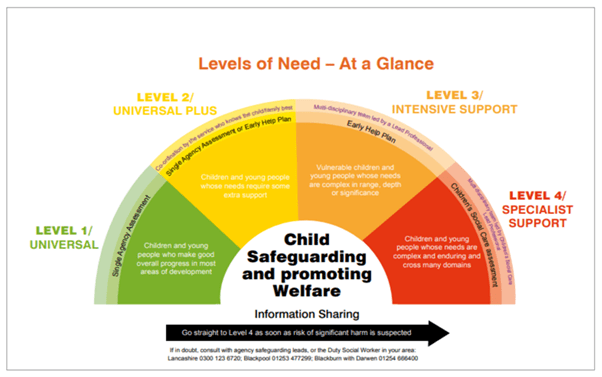
We also make use of guidance and resources from the Lancashire Children’s Safeguarding Assurance Partnership (CSAP), which supports our work in maintaining the highest safeguarding standards. https://www.safeguardingpartnership.org.uk/
Our whole-school safeguarding approach includes:
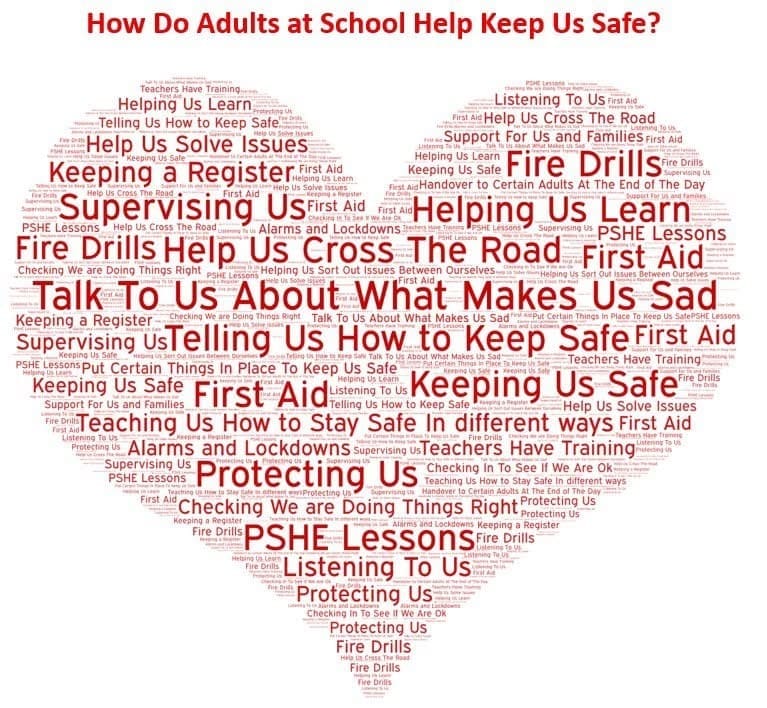
- A broad and balanced curriculum that teaches pupils how to stay safe and manage risks both online and offline, delivered through PSHE, RE Computing, Science and PE.
- A safe and secure school environment, with rigorous procedures to maintain site and building safety.
- Robust safer recruitment practices, ensuring all staff and volunteers are suitable to work with children.
- Regular and up-to-date safeguarding training for all staff, in line with the latest national and local guidance.
- Clear and comprehensive induction procedures for new staff and volunteers.
- Effective systems for raising concerns, including low-level concerns, whistleblowing and procedures for managing serious allegations.
- Strong safeguarding leadership, provided by senior leaders and the governing body.
- Active partnership working with the local authority, police (including Operation Encompass – see below), NHS services and other key agencies.
We recognise that no single professional can build a complete picture of a child’s needs or circumstances. To ensure that children and families receive the right support at the right time, everyone who encounters them has a responsibility to identify concerns, share information appropriately, and take timely, effective action.
All adults in our school will:
- Maintain a ‘it could happen here’ mindset in all safeguarding matters.
- Be proactive in creating and sustaining a safe and secure environment where pupils can learn and thrive.
- Ensure that all pupils have opportunities to express themselves and feel confident that they will be listened to.
- Take a child-centred approach, consistently considering what is in the best interests of each pupil.
- Contribute to, and uphold, a strong safeguarding culture, keeping pupil safety at the heart of daily practice.
- Adopt a zero-tolerance approach to abuse, including all forms of child-on-child abuse.
Because staff work closely with pupils on a daily basis, they are well placed to notice outward signs of abuse, changes in behaviour, or concerns about a child’s development. All observations and concerns are recorded electronically by staff and shared promptly with the Designated Safeguarding Leads (DSLs).
Parents should be aware that, in line with national safeguarding requirements, if a member of staff believes that a child may be at risk of abuse or neglect, the school is obligated to report these concerns to Lancashire County Council’s Children and Young People’s Services.
Our Safeguarding & Child Protection Policy is available at the bottom of this page.
Key Concerns
If you have any safeguarding concerns about a child, you must take action by reporting them.
- If a child is in immediate danger, call the police on 999 without delay.
- Concerns can also be reported directly to Lancashire County Council by calling 0300 123 6720 (or 0300 123 6722 outside of office hours).
The NSPCC provides additional ways to report concerns—online, by phone, or by email. Their website contains a wide range of guidance, including information on spotting the signs of abuse, keeping children safe online, children’s mental health, sex and relationships, and talking to children about drugs and alcohol.
If you have concerns about another adult (including school staff, supply staff, coaches, visitors, or volunteers), you must report these to the DSL, Deputy DSL, or a senior leader in their absence. This includes low-level concerns that may seem minor in isolation but cause unease.
If your concern relates to the headteacher, it must be reported to the Chair of Governors and the LADO.
If you have concerns about the safeguarding practices at Poulton, these should be raised with the headteacher or a senior leader, following the school’s whistleblowing procedures.
If you feel unable to raise your concerns with a senior leader, you may contact alternative whistleblowing channels provided by Lancashire County Council (email and phone details below), or the NSPCC Whistleblowing Helpline on 0800 028 0285.
Key Contacts
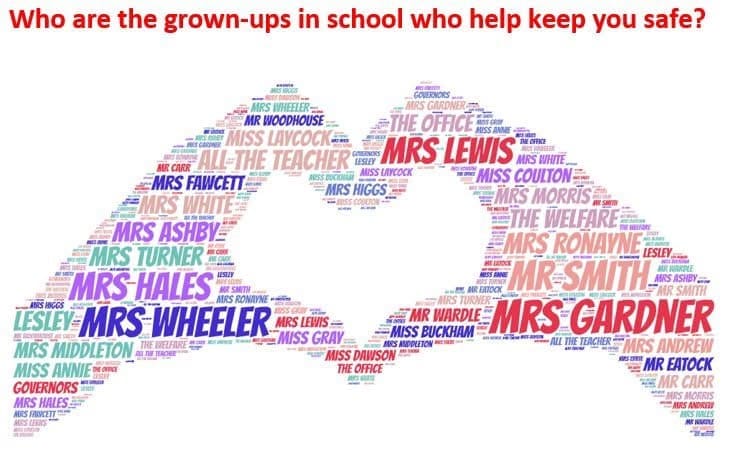
Designated Safeguarding Lead (DSL): Mrs Laura Gardner
Deputy DSL: Mr Gregor Smith
Pupil and Family Worker: Mrs Vicki Wheeler
Safeguarding and Chair of Governors: Mr David Woodhosue
LADO (Local Authority Designated Officer): 01772 536694
MASH (Multi Agency Safeguarding Hub): 0300 123 6720
Whistleblowing: 01772 532500 – press 1 for financial matters or 2 for any other concerns [email protected]
What is Early Help?
Early Help means providing help for children, young people and families as soon as difficulties start to emerge or where it is likely that issues will impact negatively on children’s outcomes. At Poulton, we follow the Lancashire County Council guidance and protocols in terms of the Early help offer.
Early Help…
- is for children of all ages and not just the very young.
- can be very effective in supporting a child, young person and/or their family to step down from statutory services as well as preventing the escalation of issues.
- is important because there is clear evidence that it results in better outcomes for children.
Lancashire County Council recognises that Early Help is a term that describes much of the everyday work of schools.
https://www.lancashire.gov.uk/practitioners/supporting-children-and-families/
We follow the Working Well with Children and Families Guidance
https://www.lancashiresafeguarding.org.uk/media/19299/wwwcf-part-1-and-2-final.pdf
https://panlancashirescb.proceduresonline.com/pdfs/WWWCF_3_Lancs.pdf
Please view out Early Help Offer here
Help and Advice for Parents/ Carers
As parents/carers, you want to make sure that your children develop healthily and thrive. We’re here to help you with advice on how you can build strong relationships with your children and keep them safe. Here is advice and resources for helping parents to keep their children safe, advice for parents on keeping children safe out of school, at home and online, when using the internet, social networking websites and playing online games, help and advice for creating a safe and nurturing environment for your children.
For guidance, further details can be found from:
https://www.thinkuknow.co.uk/
https://www.nspcc.org.uk/keeping-children-safe/
https://www.youngminds.org.uk/parent/
https://www.bbc.com/ownit
https://www.bbc.co.uk/newsround/44074704 – staying safe online
Operation Encompass
At Poulton, we work hard to safeguard our children through our curriculum and close partnership working with different agencies. Operation Encompass is one tool we use to support us and the following explanation has been provided by the Operation Encompass team.
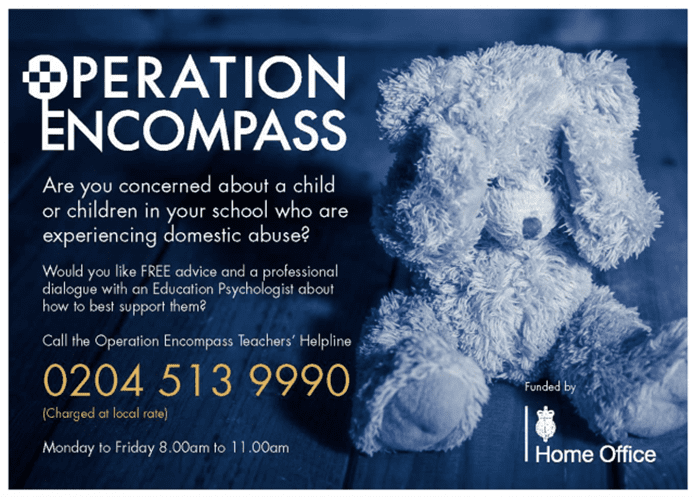
‘Operation Encompass is a unique Police and Education early intervention safeguarding partnership which ensures that a child/ young person’s school/ college is informed, typically prior to the start of the next school day, that there has been a domestic abuse, vulnerable child or missing incident to which the child or young person has been exposed, and which might then have an impact on them in school / college the following day.
Each school/college is informed of all such incidents, not just those where an offence can be identified or those which are graded as high risk. The partnership recognises that all domestic abuse, vulnerable child and missing incidents can be harmful to children and young people.
This information will be shared throughout the year, including holidays and weekends. Information will only be shared with the school/college by the police where it is identified that a young person was present, witnessed or was involved.
A nominated member of staff, known as a Key Adult, has been trained to liaise with the police. At Poulton-le-Sands CE Primary School our Key Adults are Mrs Gardner and Mr Smith. They will be able to use information that has been shared with them, in confidence, to ensure that the school makes provision for possible difficulties experienced by children or their families. The Key Adults will keep this information confidential and will only share it on a need-to-know basis, for instance, to teaching staff for the child or young person. It will not be shared with other school students.
This national initiative has been implemented across the whole of the Lancashire Police area. If you would like some more information about it, you can view it online at www.operationencompass.org.

Extremism & Prevent
Sadly, extremism, and particularly risks around use of the internet, are very much a part of today’s newspaper headlines. Our children are living in a rapidly changing and global environment which, as we know, can have both a positive and a negative impact on their development and opportunities.
Recent events in Isreal, Palestine, Ukraine, Syria and Iraq, highlight how children and young people can be influenced by matters outside the UK in addition to the hatred and the violence that can be found on the internet and through other outlets. Events in the media also demonstrate how schools can quickly and adversely be brought into the spotlight.
At Poulton, we work within the government’s Prevent Duty to tackle the problem of terrorism and extremism at its roots and prevent vulnerable children, adults and communities from being drawn into terrorism. This includes far-right extremism and some aspects of non-violent extremism. Prevent isn’t about spying on our communities. It isn’t targeted at religion – extremists can come from any background. It’s not about blame.
Prevent focuses upon early intervention and safeguarding approaches to extremism and potential vulnerability and operates in a similar way to how we would respond to concerns such as those around, physical abuse, drugs and sexual exploitation.
At Poulton, we work with a range of partners including:
- police
- Lancashire County Council
- Educate Against Hate
- other schools and colleges
- faith leaders
- community groups
- voluntary services
All staff and governors undertake regular Prevent training relevant to their role.
Report your concerns
Friends and family are best placed to spot the signs, so trust your instincts and report your concerns in confidence.
The police and other agencies can help if you act early. You won’t be wasting their time and you won’t ruin lives, but you might save them.
To find out more about how to help someone close to you visit actearly.uk
For advice on preventing radicalisation or reporting concerns in Lancashire, email [email protected]. You can also call the Prevent team for advice and support using (01772) 413398. If it’s an emergency, you must call 999. Or you can call anonymously on 0800 789 321.
If you see online material promoting terrorism or extremism, you can report it online.
Safer Recruitment
At Poulton-le-Sands CE Primary School, we have robust recruitment procedures to deter and prevent people who are unsuitable to work with children from applying for or securing employment, or volunteering opportunities in our school. Senior leaders and governors involved with the recruitment and employment of staff to work with children have received comprehensive safer recruitment training from the local authority which complies with ‘Part Three: Safer Recruitment’ of Keeping Children Safe in Education (September 2024). The training is renewed every two years and covers:
- Understanding the principles of abuse.
- Safer recruitment processes and making the right decisions.
- Building a culture of vigilance in your school.
Our safer recruitment systems start with the advert and include visits to the school of potential applicants, completion of application forms, shortlisting of candidates, employment history and references, online checks, selection, pre-appointment vetting checks and interviews.
Through our rigorous induction, all adults will undertake safeguarding training which will cover:
- understanding what safeguarding and child protection are
- understanding their role in upholding our safeguarding culture and maintaining an attitude of ‘it can happen here’
- identifying the relevant legislation and guidance for safeguarding in education
- recognising the different types, signs and indicators of abuse and neglect
- understanding how to respond to concerns and provide a response that’s best for the child or the children involved
- understanding the correct procedures for reporting concerns and know who to report to – including low-level concerns and our whistleblowing policy and procedures
- recognise the importance of recording your concerns and the principles of good recording
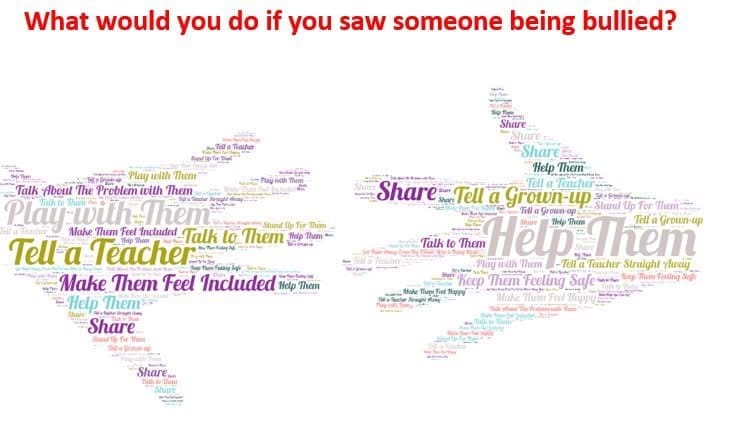
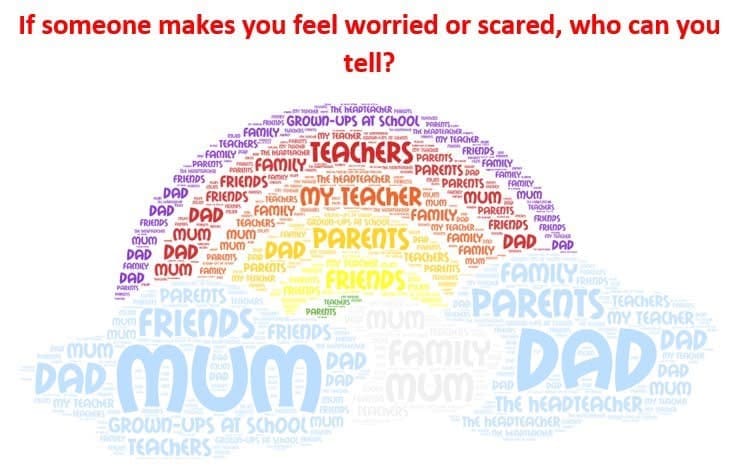
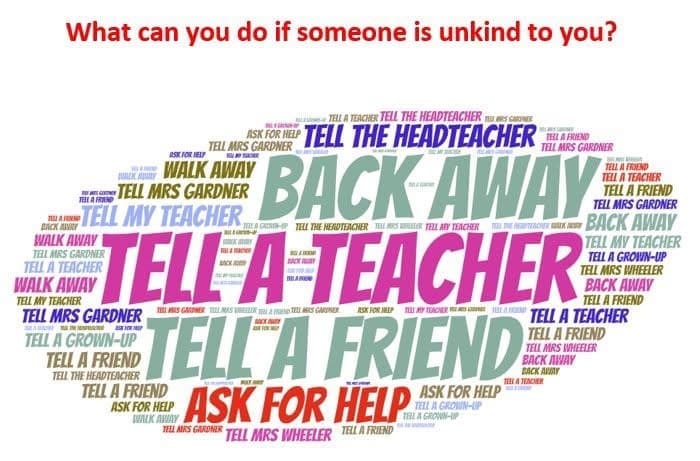
Pupil Voice
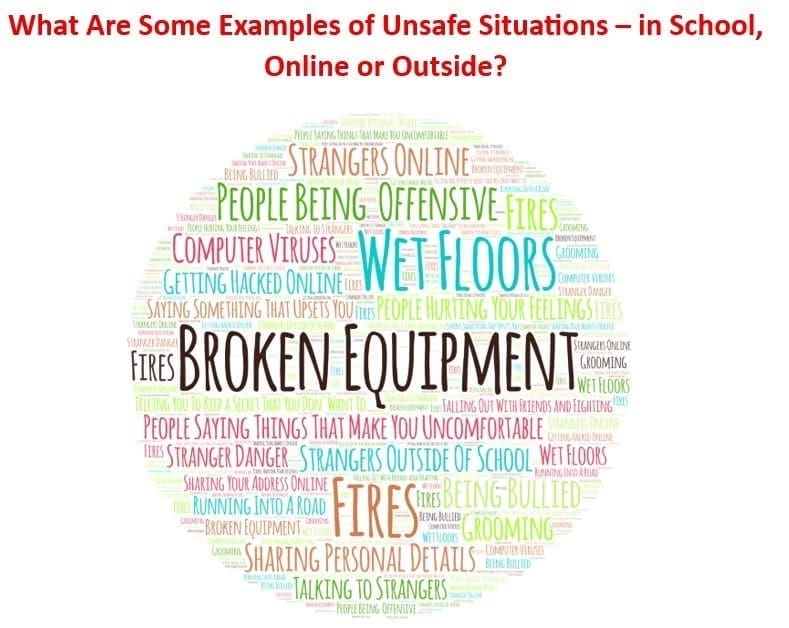

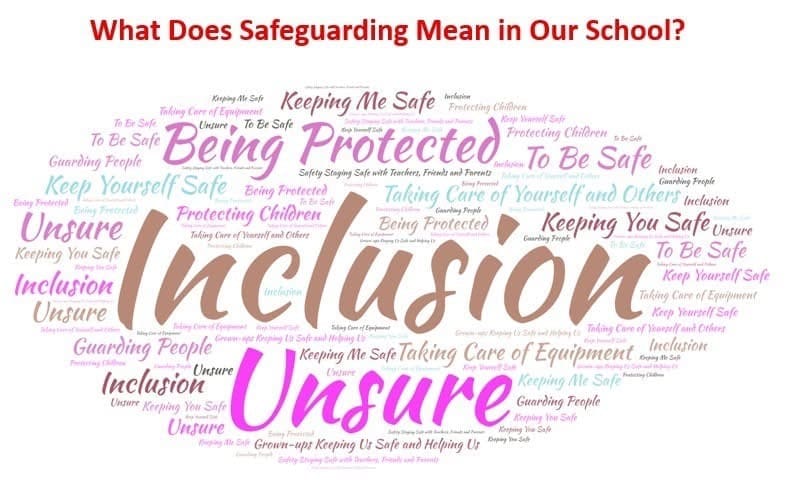
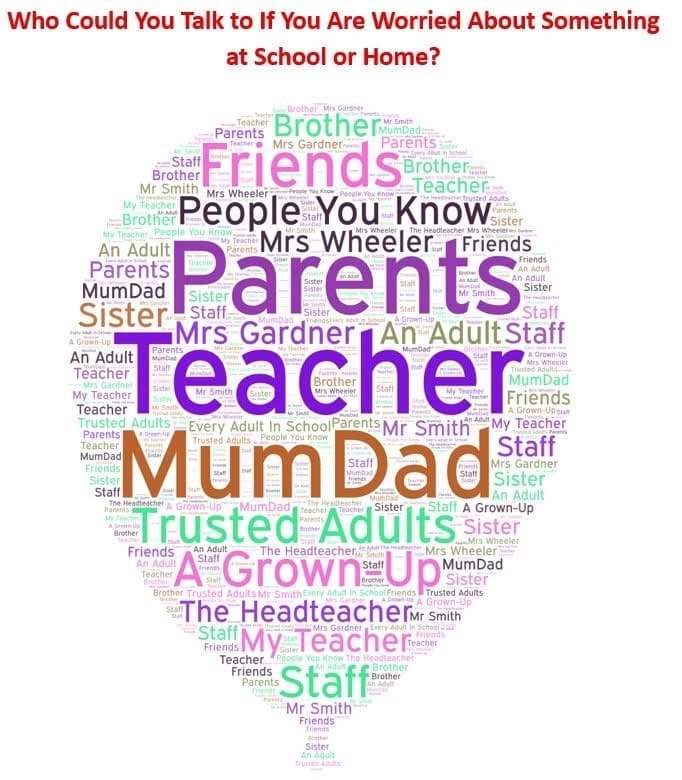

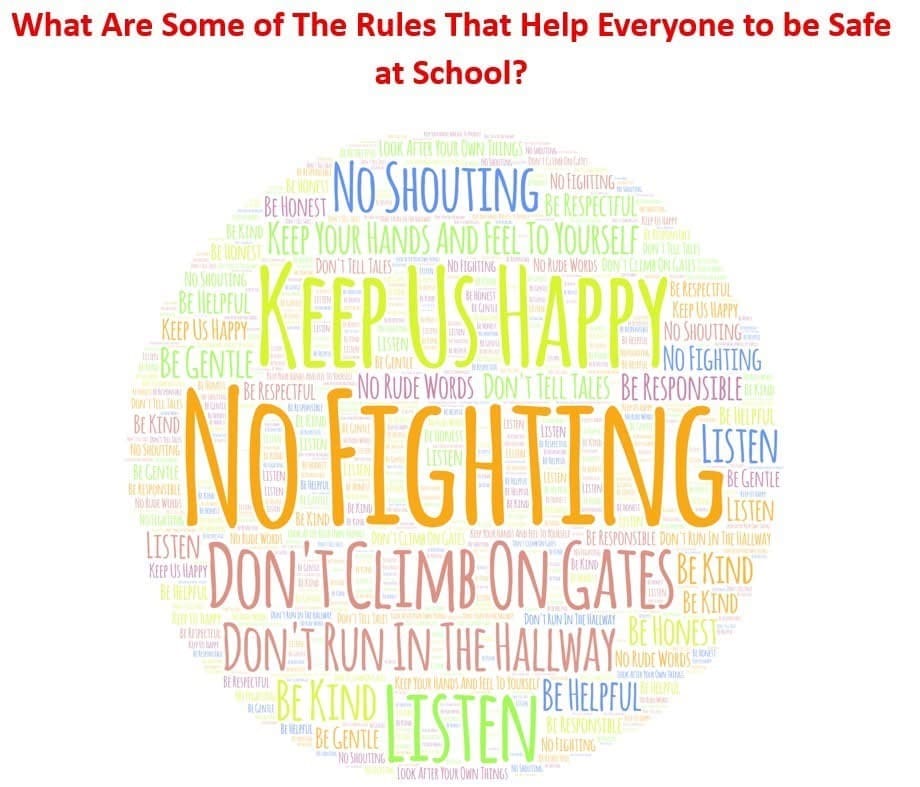
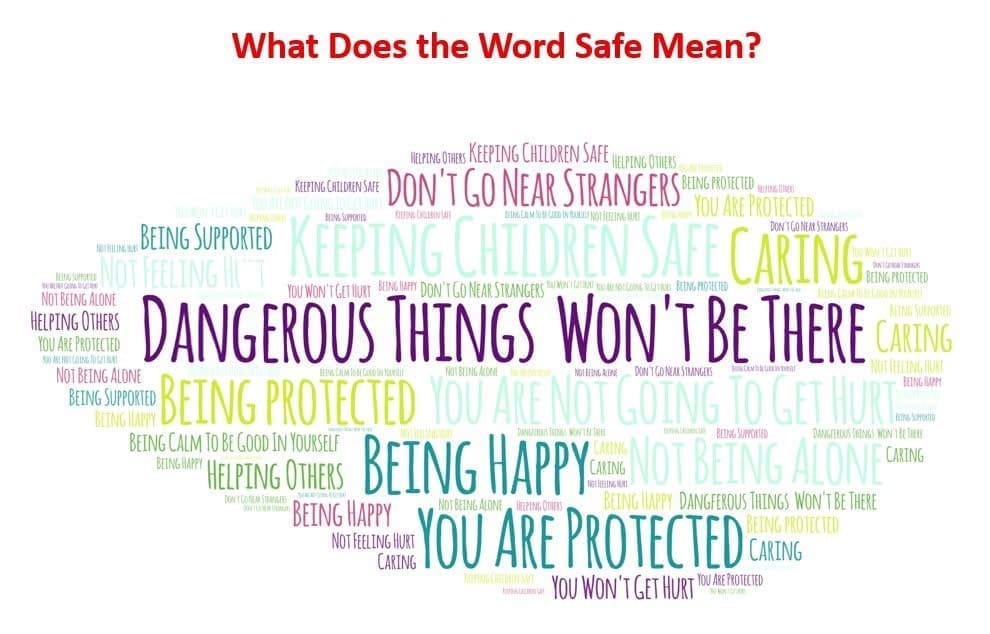
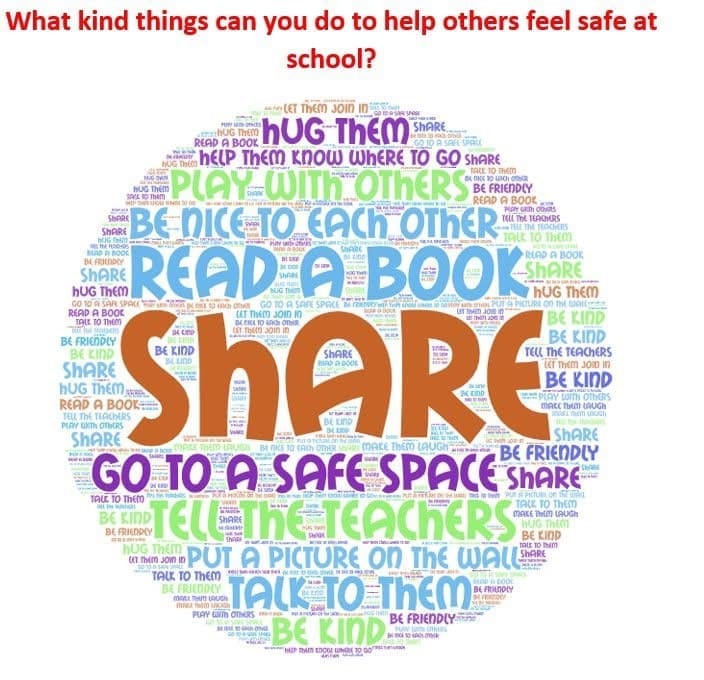

To view any of our policies, please see the ‘Policy’ page on the website. Alternatively, contact the office if you would like a paper copy.

